

Table of Contents
- What Does Event Staffing Mean?
- Typical Roles and Tasks for Event Staff
- Process and Tools for Efficient Event Staffing
- Challenges and Solutions in Practice
- Legal Requirements and Compliance for Events
Key Takeaways
| Point | Details |
|---|---|
| Staffing is critical | Event staffing keeps events running smoothly through the right allocation of resources and people. |
| Use digital tools | Modern event businesses rely on digital tools to automate and optimize staffing. |
| Flexibility and skills matter | Flexible staff and the right qualifications are key to handling unexpected event requirements. |
| Follow legal requirements | Complying with labor law and safety regulations is essential for staffing compliance. |
What Does Event Staffing Mean?
Event staffing is the strategic process of managing personnel resources and coordinating your team to ensure events run smoothly. At its core, it's about having the right people, with the right skills, in the right place, at the right time.
Staffing covers several key dimensions for event businesses:
- Determining staffing needs based on event type and complexity
- Creating detailed shift schedules
- Accounting for individual staff skills and qualifications
- Efficient distribution of working hours
- Cost optimization through smart staff allocation
In practice, this means event businesses need to strike a precise balance between staff capacity and client requirements. The challenge is building a flexible workforce that can respond quickly to different event demands.
To staff events successfully, modern event businesses rely on digital solutions like staff scheduling tools, which automate shift planning, time tracking, and work allocation. These systems make staff management transparent and efficient, cut administrative overhead, and boost the overall productivity of your event team.
Typical Roles and Tasks for Event Staff
Event staffing structures include several key roles that are essential to a smooth event. Each position contributes specific tasks and responsibilities to the overall success of an event.
Core roles in event staffing include:
- Event manager: overall responsibility for planning, coordination, and execution
- Service staff: direct guest contact, catering, and hospitality
- Technical staff: setting up and operating equipment and technology
- Security staff: monitoring and ensuring safety
- Logistics team: organizing transport and material supply
At smaller events, staff often cover multiple roles, while larger events call for specialized teams. Flexibility and the right qualifications in your staff are essential.
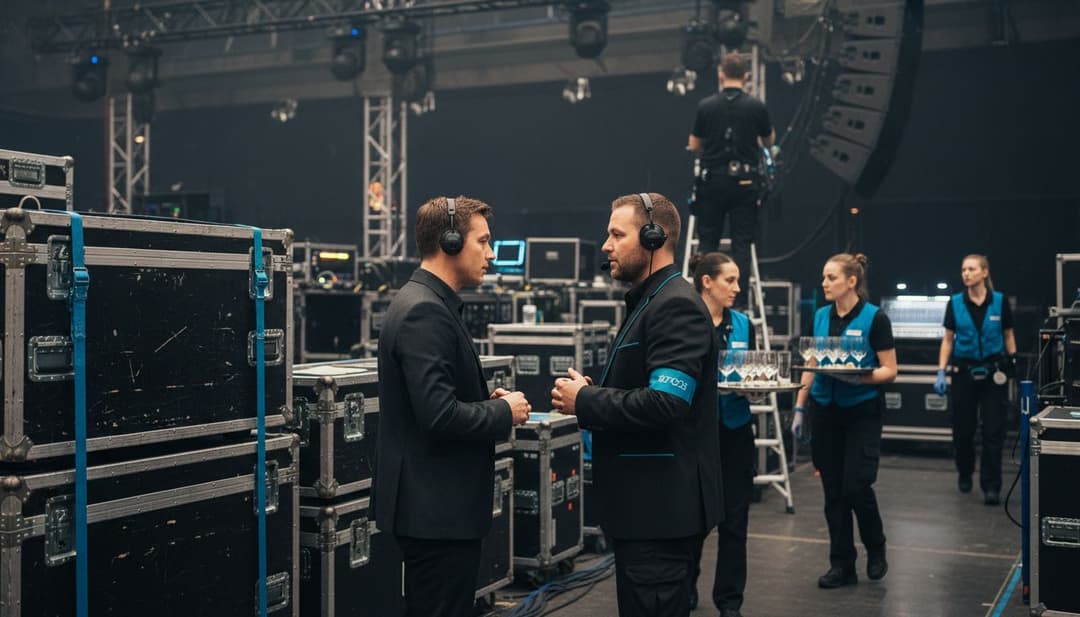
Modern event businesses increasingly rely on digital solutions for staff coordination. Future trends in event and catering operations show that efficient staffing and coordination are key to success and staying competitive. Technology-driven systems enable precise resource allocation, task distribution, and real-time communication.
Process and Tools for Efficient Event Staffing
Efficient event staffing calls for a structured approach that combines flexibility with precise coordination. The overall process breaks down into several strategic phases that ensure optimal use of resources.
Key steps in event staffing:
- Needs analysis: determining staffing needs based on event type
- Staff qualification matching: matching staff skills to event requirements
- Shift scheduling: creating efficient, balanced shift plans
- Resource allocation: optimal distribution of staff capacity
- Ongoing adjustment: flexibly responding to unexpected changes
Modern companies increasingly rely on digital tools to simplify these complex processes. 7 ways to increase efficiency in event management show how technology-driven solutions can transform staffing.
Not sure how many staff you actually need for your next event? Our free staffing calculator gives you a quick estimate based on guest count and event type.
The most important digital tools for effective staffing include integrated software solutions that enable real-time communication, automated shift scheduling, and detailed staff analytics. These systems reduce administrative overhead, minimize planning errors, and boost your event team's overall efficiency.
Challenges and Solutions in Practice
Staffing for events comes with complex challenges that require a high degree of flexibility and strategic thinking. Unexpected no-shows, fluctuating client demands, and seasonal swings make dynamic staff management a necessity.
Key challenges:
- Unpredictable staff absences
- Last-minute event requests
- Varying skill and qualification profiles
- Working-time regulations
- Budget and cost management
Modern event businesses are developing innovative strategies to tackle these challenges. Event management software 2025 shows how digital tools can transform staffing.
What matters most is a holistic approach that combines technology, staff flexibility, and forward-looking planning. Digital planning systems enable real-time adjustments, automated shift distribution, and smart resource allocation, making event businesses more agile and resilient.
Legal Requirements and Compliance for Events
The legal framework for event staffing is complex and requires careful attention to a range of regulations. Labor law, health and safety, insurance requirements, and industry-specific rules form a dense set of requirements that event businesses need to navigate.
Key legal aspects:
- Complying with labor law protections
- Accurate documentation of working hours
- Ensuring workplace safety
- Social security obligations
- Data protection for staff records
- Complying with youth and health protection rules
In Germany, these requirements are set out in detail under the Working Hours Act (Arbeitszeitgesetz) and related labor law, so accurate time documentation and clear internal processes matter even more. Cloud solutions for event agencies can help simplify legal compliance and reduce risk. These digital systems enable transparent, secure documentation of all relevant staff information.
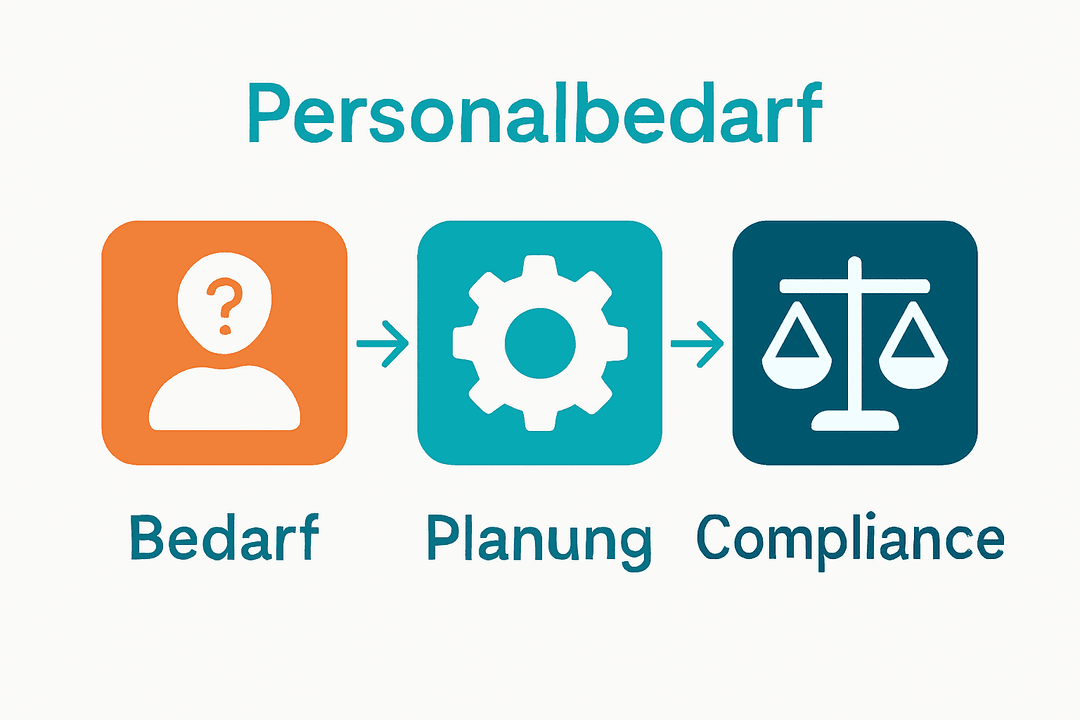
For event businesses, this means proactively building legal requirements into their staffing process. That takes regular training, ongoing reviews, and a clear internal compliance strategy to catch and reduce potential legal risks early.
Rethinking Event Staffing for Maximum Success
Staffing is the backbone of a smoothly run event. This guide lays out the challenges clearly - unpredictable absences, shifting requirements, and complex shift scheduling. That's exactly where Univents comes in, offering a single platform that automates everything from staff coordination to real-time resource planning. The result: more confidence and transparency at every event.
See for yourself how Univents' staff scheduling tools simplify your event processes and help you run your teams more efficiently. Get built-in features like automated shift scheduling, digital time tracking, and easy legal compliance. Start today and turn planning into results with Univents.
Frequently Asked Questions
What is event staffing?
Event staffing covers the strategic management and coordination of personnel resources to keep an event running smoothly. It includes determining staffing needs, building shift schedules, and factoring in staff qualifications.
What role does technology play in event staffing?
Modern event businesses use digital staffing tools that automate shift scheduling, time tracking, and work allocation. These systems improve efficiency, cut administrative overhead, and make staff management transparent.
What challenges are common in event staffing?
Common challenges include unpredictable staff absences, last-minute event requests, varying staff qualification profiles, and budget management. These factors call for flexible, dynamic staff management.
What legal requirements apply to event staffing?
Event businesses must comply with labor law protections, accurate documentation of working hours, workplace safety, and data protection rules. In Germany, this includes the Working Hours Act (Arbeitszeitgesetz). Careful compliance with these requirements is essential for legal compliance.
Recommended Reading
- Event Planning Made Easy | Automation & Transparency | Univents
- Catering resource planning process: efficient step by step
- Catering resource planning process: efficient step by step
- 7 Benefits of an Event Management System
- What it's really like working at a wedding venue - a career switcher's story | Jobjump
- Wedding DJ Workflow: Step-by-Step to the Perfect Event